Empowering Survivorship: Essential Tips for Navigating Cancer Care and Treatment
Navigating the world of cancer care can feel like sailing through a stormy sea without a compass. One moment, you’re bobbing along, hopeful for the next wave of medical advancements, and the next, you’re submerged in a deluge of treatments, appointments, and uncertainty. Yet, amidst this chaos lies an opportunity to not just survive, but thrive. The journey through oncology—whether it involves chemotherapy, radiation therapy, or innovative immunotherapy—can be rather daunting, but knowing how to navigate the terrain with clarity and purpose can empower you on your path to recovery. Let’s explore essential tips for thriving through treatment, ensuring that your cancer experience leads to a robust survivorship.
To start, understanding cancer care from the inception is crucial. What if you could forge a partnership with your oncologist that goes beyond mere medical advice? Early detection can significantly alter outcomes, enhancing your chances at successful treatment and improved prognosis. During this critical phase, ask questions that stimulate your understanding of your unique journey: What are my treatment options? How can clinical trials contribute to my health? Your healthcare team is there to support you, but your active involvement in patient education is vital. By taking ownership of your health, you're not just a passive recipient of care; you become an empowered advocate for your own wellbeing.
As your treatment unfolds, do not underestimate the power of nutrition for cancer patients. Could what you eat truly influence how you feel during chemotherapy or radiation therapy? Absolutely! A well-balanced diet packed with antioxidants, lean proteins, and whole grains can bolster your immune system, support symptom management, and enhance your energy levels. Inviting a nutritionist to your healthcare team or exploring cancer-focused dietary guidelines can plentifully enrich your meals. Remember, food is not just sustenance; it's a form of treatment! Let every bite be a step toward recovery, and don’t hesitate to discuss health tips with your oncologist to optimize your nutritional strategy.
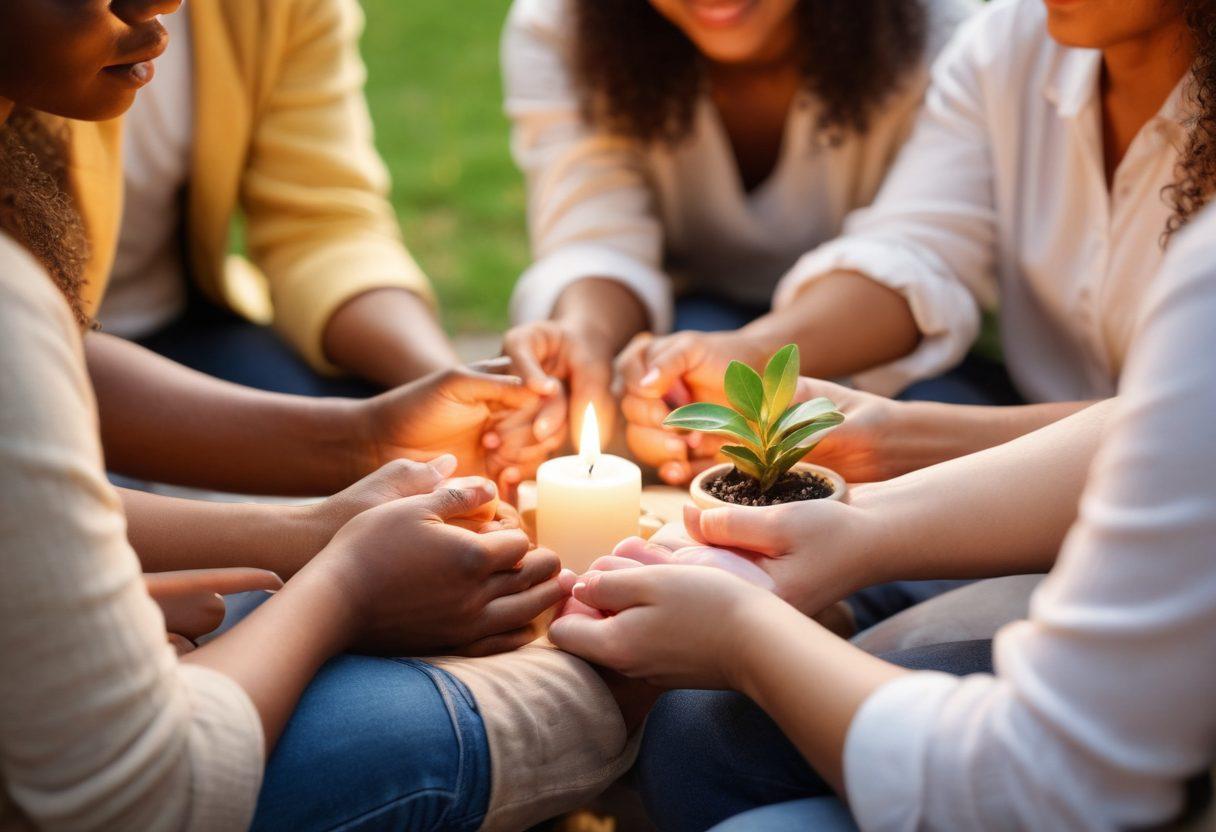
Having a support group is another invaluable resource on your journey. What if you had a community that understood your fears, frustrations, and triumphs? Surrounding yourself with others in the cancer community can enhance your mental health support and foster a sense of belonging. Sharing your experiences, whether through informal gatherings, social media, or organized support groups, can uplift your spirits and remind you that you are not alone. This lifeline can be your anchor in turbulent times, providing not only comfort but also hope, resources, and shared wisdom about navigating cancer care.
Lastly, remember that survivorship is not just about beating the disease; it's about embracing a healthy lifestyle that supports long-term wellbeing. After all, life after cancer should be lived in full bloom! Incorporating regular exercise, exploring alternative therapies, and prioritizing holistic health practices can strengthen both your body and mind. What inspires you to stay active and motivated? Whether it’s a daily walk in nature, yoga, or finding joy in dance, each effort contributes to your overall health awareness. Take actionable steps towards enhancing your wellbeing—your future self will thank you for it!
Empower Your Journey: Health Tips and Resources for Cancer Survivors
Navigating the world of cancer care can often feel like traversing a dense forest — daunting and overwhelming. But what if I told you that one can learn to embrace this journey with empowerment at its core? Cancer survivorship is not just about enduring treatment; it’s about thriving afterward. In this blog, we’ll delve into pivotal health tips and invaluable resources that can light your way along your path as a cancer survivor. After all, it’s not just about beating cancer; it’s about living your best life after it!
As you step into the realm of survivorship, one of the most powerful tools at your disposal is knowledge. We’re talking about patient education, which is crucial in staying informed about your condition. Have you met your oncologist lately? Regular check-ins with your healthcare team can significantly aid in symptom management and keeping abreast of any new medical advice or clinical trials. Engaging with your cancer community can also be immensely valuable. Sharing experiences with support groups not only helps dispel myths but also fosters connections with those who truly understand your journey.
Let’s take a moment to discuss the importance of health awareness. Being vigilant about early detection plays a paramount role in survivorship. Studies indicate that proactive health tips focusing on nutrition for cancer patients can influence recovery positively. Incorporating a variety of fresh fruits, vegetables, and whole grains into your diet can significantly boost your immune system. Ask yourself: What does my plate look like today? A healthy lifestyle built on good nutrition and exercise can empower you in ways you might not even realize!
Mental health support is another cornerstone of survivorship that we cannot overlook. The emotional toll of cancer can be profound. Integrating holistic health practices, like mindfulness and yoga, can significantly enhance your overall wellbeing. Consider this quote: 'The greatest weapon against stress is our ability to choose one thought over another.' Additionally, alternative therapies such as acupuncture or massage can serve as complementary tools alongside traditional cancer treatment methods like chemotherapy and radiation therapy.
As you navigate your healthcare journey, don’t forget about the importance of physical activity. Exercise and cancer are not opposing forces; rather, they can work hand in hand in fostering resilience. Regular exercise can help mitigate the side effects of treatments, boost energy levels, and even decrease the risk of recurrence. The path to recovery is multifaceted, and embracing palliative care options can ensure comfort and quality of life. Remember, you are not alone on this journey. With the right resources and a supportive cancer community behind you, your story as a survivor can continue to be written with strength and hope.
Building a Supportive Community: Tips for Managing Cancer and Enhancing Wellbeing
Navigating the tumultuous journey of cancer care is no easy feat. The diagnosis can feel like a whirlwind, turning your world upside down. Yet, amidst the chaos, one essential element can make a significant difference: building a supportive community. The strength you derive from those around you can propel you through cancer treatment and enhance your overall wellbeing. So, how do you cultivate this community? Let’s explore strategies that not only provide emotional support but also contribute to better health outcomes as you navigate the world of oncology.
Imagine walking into a room full of people who truly understand your journey, where every nod and smile communicates empathy, and every shared story acts as a balm for your soul. This is the heart of support groups. These gatherings are more than just meetings; they’re safe havens where you can share your fears, hopes, and triumphs. It’s here that camaraderie blossoms as members exchange cancer treatment experiences, discuss symptom management, and offer valuable health tips. As a wise person once said, "Sometimes the bravest and most important thing you can do is just show up."
However, it’s not just about shared experiences. Engaging in meaningful conversations about medical advice, clinical trials, and disease prevention can empower you to take charge of your health. Knowledge is power, and participating in discussions about nutrition for cancer patients can open doors to making informed choices that benefit your physical wellbeing. Whether it’s delving into the benefits of immunotherapy or understanding the nuances of chemotherapy, there’s strength in being educated. Are you ready to ask your oncologist those burning questions?
Striking a balance between physical and mental health is crucial during this journey. While treatments such as radiation therapy and palliative care might be at the forefront, never underestimate the power of a healthy lifestyle, exercise, and alternative therapies. Consider incorporating activities that nourish your soul, such as yoga or art therapy—both have shown promising results in enhancing survivorship and mental health support. Just as exercise plays a pivotal role in physical recovery, it can also uplift your spirit. What’s your favorite way to stay active?
As you journey through the intricacies of cancer care, remember that reaching out for help is a sign of strength, not weakness. Surround yourself with those who lift you up, and seek out the support of the cancer community. Social connections can lead to improved outcomes and a more holistic approach to your health. So, whether it’s joining a local support group, finding online forums, or simply chatting with friends and family, take that leap. Each connection can contribute to your survival story, fostering a sense of community that celebrates resilience and promotes wellbeing. After all, you’re not just surviving cancer; you’re building a life enriched by connection and support.